Watercolor Botanicals Alternative: 5 Media That Work
Table of Contents
Last Updated: October 19, 2026
Why Artists Seek Watercolor Botanicals Alternatives
Not every artist gravitates toward watercolor for botanical work. Some dislike the loss of control as pigment blooms across wet paper; others face slow drying, hard-to-correct mistakes, or a steep learning curve.
The search for watercolor botanicals alternative options reflects a real tension: watercolor excels at translucency and luminosity, but alternatives offer faster drying, easier layering, better portability, or simpler corrections.
At Art By Jd, we celebrate hand-painted watercolor work, but artists should choose the medium that serves their vision. This guide compares the strongest alternatives by realism, learning curve, cost, and practical constraints.
Comparison Table: Watercolor Botanicals Alternatives at a Glance
Medium | Drying Time | Layering Ease | Learning Curve | Portability | Best For |
Colored Pencils | Instant | Excellent | Beginner | Highly portable | Detail work and precision |
Gouache | 1-2 hours | Very good | Intermediate | Moderately portable | Opaque coverage and vibrant color |
Acrylics | 15-30 minutes | Good | Intermediate | Moderately portable | Durability and fast execution |
Pastels | Instant | Excellent | Intermediate | Highly portable | Soft texture and blending |
Markers | Instant | Limited | Beginner | Highly portable | Graphic clarity and speed |
Alternatives to Watercolor for Botanical Art: Medium-by-Medium Guide
The choice of medium shapes how detail emerges, how colors interact, how corrections happen, and how the piece ages. Below, each medium gets concrete techniques, paper compatibility, correction methods, and archival notes.
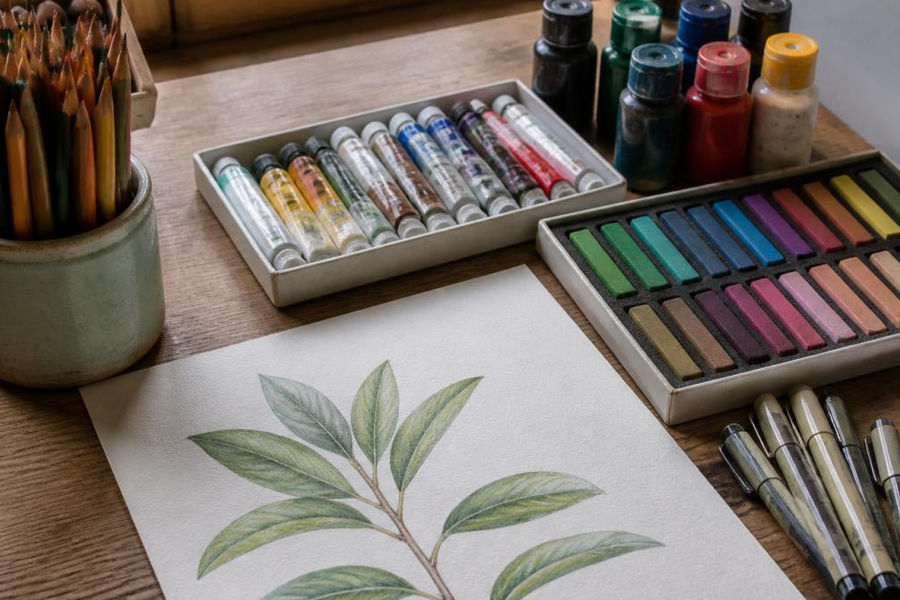
Colored Pencils: Precision and Portability
Colored pencils deliver unmatched control for botanical detail: every stroke is deliberate, with no bloom or pigment spread.
Technique specifics: Work on hot-press watercolor paper or Bristol board with a fine tooth.
Paper compatibility: Smooth or lightly textured papers hold pencil well; heavily textured watercolor paper causes skipping.
Corrections and layering: A kneaded eraser lifts color without abrasion, though repeated erasing can damage paper.
Archival notes: Quality colored pencils are lightfast, but check the manufacturer's ratings. Frame under glass with UV-filtering glazing for long-term display.
Learning curve and cost: The curve is gentle; a beginner can produce recognizable botanical work within weeks.
Gouache: Opacity and Vibrant Coverage
Gouache sits between watercolor and acrylic: water-soluble like watercolor but opaque like acrylic.
Technique specifics: Use a small round brush for fine lines and a flat for broader washes.
Paper compatibility: Gouache works well on watercolor paper (cold or hot press) and illustration board. Hot press gives smoother detail; cold press adds texture.
Corrections and layering: Mistakes can be painted over once dry.
Archival notes: Gouache dries matte and can crack if applied thickly. Frame under glass to protect the surface. Quality gouache is lightfast, but check pigment ratings.
Learning curve and cost: Watercolor painters transition easily since tools overlap; the main adjustment is managing opacity.
Acrylics: Fast Drying and Durability
Acrylics dry in 15 to 30 minutes, ideal for artists who want speed.
Technique specifics: For botanical detail, use fluid acrylics or thin heavy-body paint with a medium. Retarders extend drying time for blending.
Paper compatibility: Acrylics work on watercolor paper, canvas, or board. For botanical work, a smooth board or hot-press paper gives cleaner detail.
Corrections and layering: Mistakes are easily painted over once dry.
Archival notes: Acrylics are durable, colorfast, and water-resistant when dry, suitable for works that may be handled. Framing is optional but recommended.
Learning curve and cost: Beginner-friendly because mistakes are easily painted over.
Pastels: Soft Texture and Blending
Soft pastels offer immediate, intuitive color with no drying time.
Technique specifics: Work on pastel or sanded paper with a tooth that holds pigment.
Paper compatibility: Medium-tooth pastel paper holds multiple layers; sanded paper accepts many but can dull colors if overblended.
Corrections and layering: Corrections are difficult; a kneaded eraser or brush lifts some color, but heavy removal damages the surface.
Archival notes: Pastels are fragile, pigment sits on the surface rather than binding into it.
Learning curve and cost: Moderate; beginners create appealing work quickly, but mastering subtle blending takes practice. Pastels are relatively inexpensive but require fixative and careful storage.
Markers: Speed and Graphic Clarity
Markers deliver instant color with no drying time.
Technique specifics: Use alcohol-based markers for smooth layering and blending; water-based markers can be reactivated with water.
Paper compatibility: Marker paper is coated to prevent bleed-through and feathering. Smooth Bristol board also works. Avoid absorbent papers that cause bleeding and dull colors.
Corrections and layering: Layering is limited because marker ink is transparent and can reactivate if you apply too much solvent.
Archival notes: Quality artist markers are lightfast, but check ratings. Framing under glass with UV glazing is recommended for display.
Learning curve and cost: The learning curve is minimal. Cost varies widely depending on brand and quality.
Key Takeaway Each medium has a distinct profile: colored pencils for precision and portability, gouache for opaque coverage and correction, acrylics for speed and durability, pastels for soft blending, and markers for graphic clarity. Match the medium to your botanical goals and working conditions.
Botanical Art Styles: Realism vs. Loose Illustration
The medium you choose should align with your artistic intent: photorealistic botanical detail or expressive, loosely rendered plant forms?
Realism demands precision. Colored pencils, fine-tip markers, and careful gouache work support this approach. Watercolor can achieve realism but requires significant skill to control. Pastels are less suited to realism because their soft, blended nature works against sharp detail.
Loose illustration embraces spontaneity and atmospheric effects. Watercolor, gouache, and pastels naturally support this style. Acrylics work well too, though their fast drying time can make achieving soft edges challenging. Colored pencils can produce loose work, but their precision-friendly nature means you're working against the medium's strengths.
Key Takeaway Your medium choice is inseparable from your style. Realism pairs with precision media. Loose illustration pairs with media that encourage blending and spontaneity.
Floral Wall Art Alternatives for Your Home
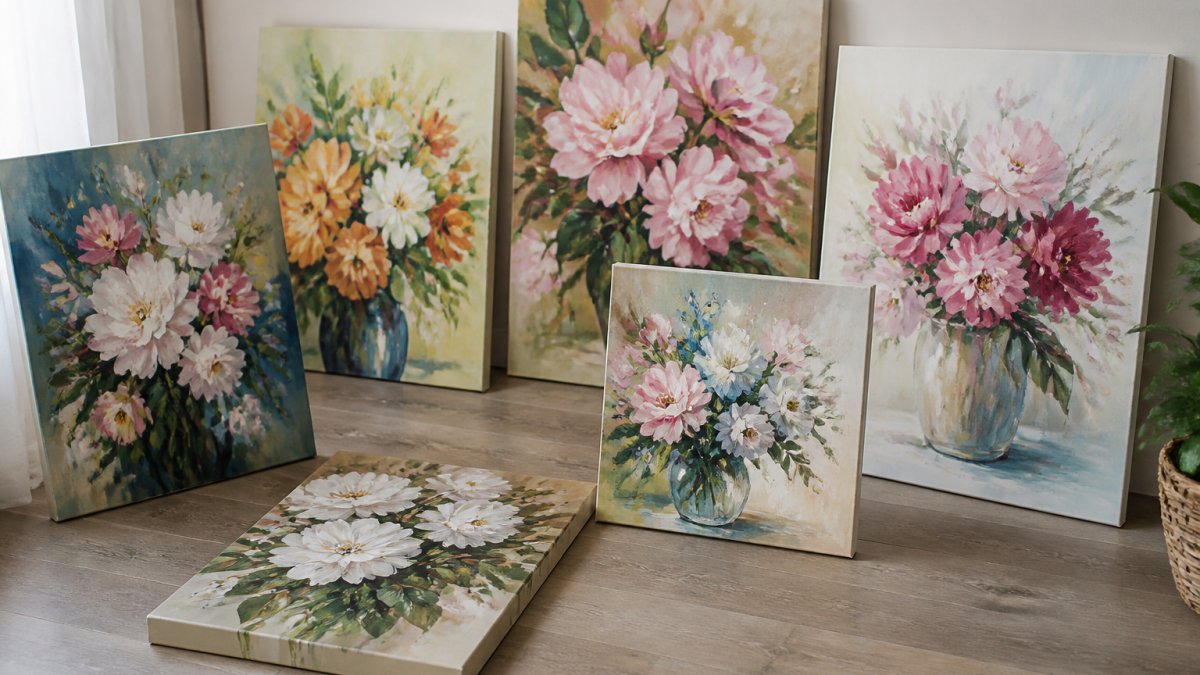
Whether you're decorating a new space or refreshing existing walls, floral wall art transforms a room. Botanical art brings nature indoors without the maintenance of living plants.
Hand-painted watercolor botanicals create luminous, sophisticated wall art. The translucency and delicate color shifts catch light beautifully.
But alternatives offer distinct advantages. Gouache produces bold, graphic botanical art with matte surfaces that work well in modern interiors. Acrylic-based botanical pieces are durable and vibrant. Colored pencil work offers intricate detail and precision.
For renters or those who move frequently, reproductions of botanical art offer flexibility without the worry of damage during transit.
Choosing Your Medium: Cost, Learning Curve, and Practicality
The right alternative to watercolor for botanical art depends on your priorities. Use the decision framework below to match medium to outcome, then check the practical constraints that matter most.
Match Medium to Desired Outcome
Photorealistic botanical detail: Colored pencils and fine-tip markers offer the control needed for crisp edges and gradual layering. Gouache can achieve realism with careful brushwork, but requires more skill to avoid chalkiness.
Loose, expressive illustration: Gouache, pastels, and acrylics support spontaneous, painterly effects.
Fast sketching and field work: Markers and colored pencils are the most portable and require no drying time. Pastels are also portable but fragile; consider a small set in a protective case.
Graphic, stylized botanical art: Markers excel at bold, clean lines and uniform color. Gouache can also produce flat, graphic shapes. Colored pencils can be used for stylized work but are slower.
Practical Constraints: Cost, Drying Time, Portability, Cleanup, Learning Curve
Cost: Colored pencils require a modest initial investment in a quality set, then minimal ongoing expense.
Drying time: Colored pencils, pastels, and markers are instant. Acrylics dry in 15-30 minutes. Gouache dries in one to two hours depending on humidity and thickness.
Portability: Colored pencils and markers win decisively for portability. Pastels are portable but need protection.
Cleanup: Colored pencils and markers require no cleanup beyond sharpening or capping. Pastels require hand washing and careful storage.
Learning curve: Colored pencils and markers have the gentlest curve. Gouache and acrylics sit in the middle. Watercolor and pastels demand more practice to master.
Compatibility with Paper, Layering, Corrections, and Archival Quality
Paper: Hot-press watercolor paper or Bristol board suits colored pencils, gouache, and acrylics for detail work. Cold-press watercolor paper adds texture for gouache and acrylics.
Layering: Colored pencils and pastels allow extensive layering as long as the paper tooth remains. Gouache and acrylics allow layering with drying time between coats.
Corrections: Acrylics and gouache are the most forgiving because you can paint over mistakes. Colored pencils allow erasure and layering, with some risk to paper. Pastels and markers are difficult to correct.
Archival quality: Acrylics are durable and water-resistant when dry. Colored pencils, gouache, and markers require framing under glass with UV-filtering glazing for long-term display.
Beginner-Friendly Decision Tree
Do you want to work outdoors or on the go? Yes → colored pencils or markers. No → continue.
Do you prioritize easy correction and layering? Yes → acrylics or gouache. No → continue.
Do you want soft, blended, painterly effects? Yes → pastels or gouache. No → continue.
Do you need photorealistic detail? Yes → colored pencils or fine-tip markers. No → choose based on cost and drying time.
Starter Supply Recommendations
Colored pencils: A set of 24-36 artist-grade pencils, a pad of Bristol board (vellum surface), a kneaded eraser, and a sharpener. Optional: colorless blender and workable fixative.
Pastels: A set of soft pastels (24-36), pastel paper or sanded paper, a blending stump or tortillon, a kneaded eraser, and fixative. Optional: pastel pencils for detail.
Markers: A set of alcohol-based markers (12-24), marker paper or smooth Bristol board, and a colorless blender. Optional: fine-tip and brush-tip markers.
Watch Out Don't choose a medium based solely on what you see online. Try small test pieces with each medium before committing to a full botanical series. What looks beautiful in another artist's hands may not suit your working style.
Key Takeaway Use the decision tree to narrow your options by working conditions and desired outcome, then check the practical constraints and starter supplies to make a confident choice.
Frequently Asked Questions
What are the best alternatives to watercolor for botanical art?
Colored pencils, gouache, acrylics, pastels, and markers each offer distinct advantages for botanical work. Colored pencils excel at fine detail and realism. Gouache provides opaque coverage similar to watercolor but with more control. Acrylics dry quickly and are durable for display. Pastels create soft, blended effects ideal for loose illustration. Markers offer speed and graphic clarity. Your choice depends on whether you prioritize realism, portability, drying time, or artistic style.
How do watercolor botanicals compare with other botanical art styles?
Watercolor creates transparent, fluid washes that suggest botanical forms with luminosity and spontaneity. Colored pencil work delivers photorealistic detail through layering and precision. Gouache offers watercolor's fluidity with opaque coverage. Acrylics provide bold, permanent results suited to modern illustration. Pastels enable soft, atmospheric effects. Each style suits different outcomes: watercolor and gouache for traditional fine art, colored pencil for botanical illustration, acrylics for contemporary wall art, pastels for loose, expressive work.
What is the best alternative to watercolor prints for floral wall decor?
Gouache and acrylic paintings offer excellent alternatives for floral wall art. Acrylics deliver vibrant, durable finishes that resist fading and hold up well in various lighting. For a more contemporary look, colored pencil work creates detailed, realistic botanical imagery. Consider your home's aesthetic: minimalist spaces suit loose gouache work, while bold interiors benefit from saturated acrylic florals. Original hand-painted pieces, whether watercolor, gouache, or acrylic, bring unique character that prints cannot match.
Which medium is easiest for beginners to learn for botanical art?
Colored pencils are the most forgiving for beginners because they dry instantly, allow easy corrections, and require minimal setup. You can layer gradually and build detail at your own pace. Acrylics are also beginner-friendly due to fast drying and water cleanup, though they're harder to correct once dry. Watercolor and gouache have steeper learning curves because controlling water and pigment flow takes practice. Pastels offer immediate blending satisfaction but can be messy. Start with colored pencils if you want low pressure and high control.
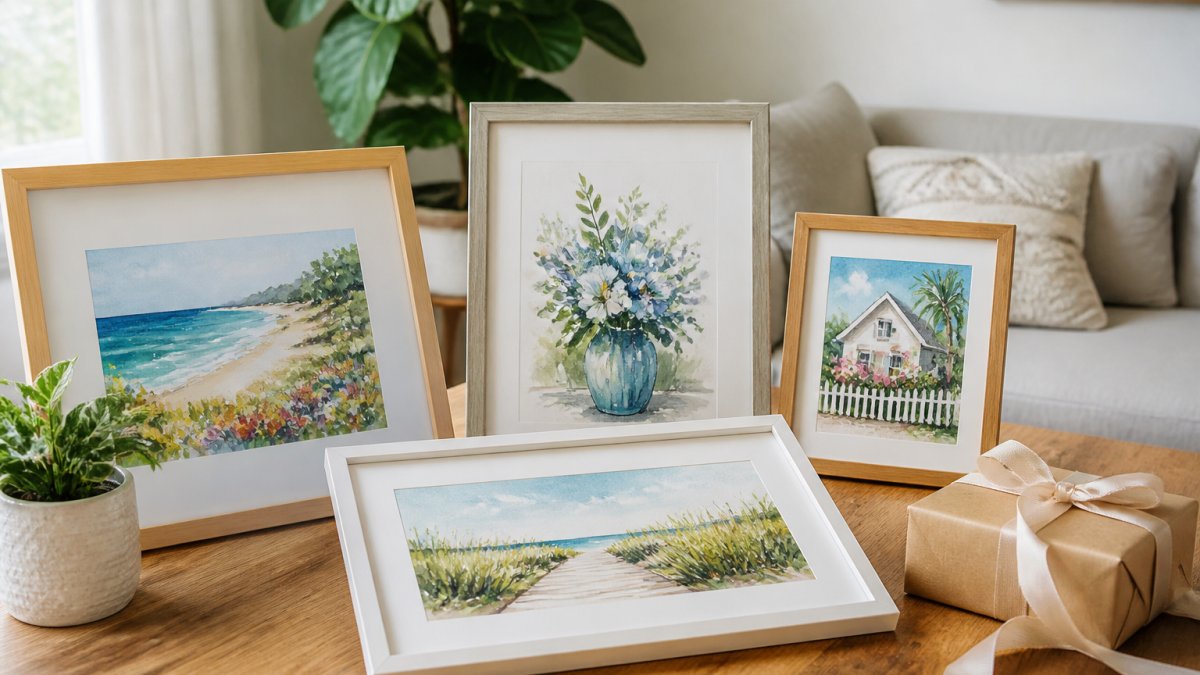
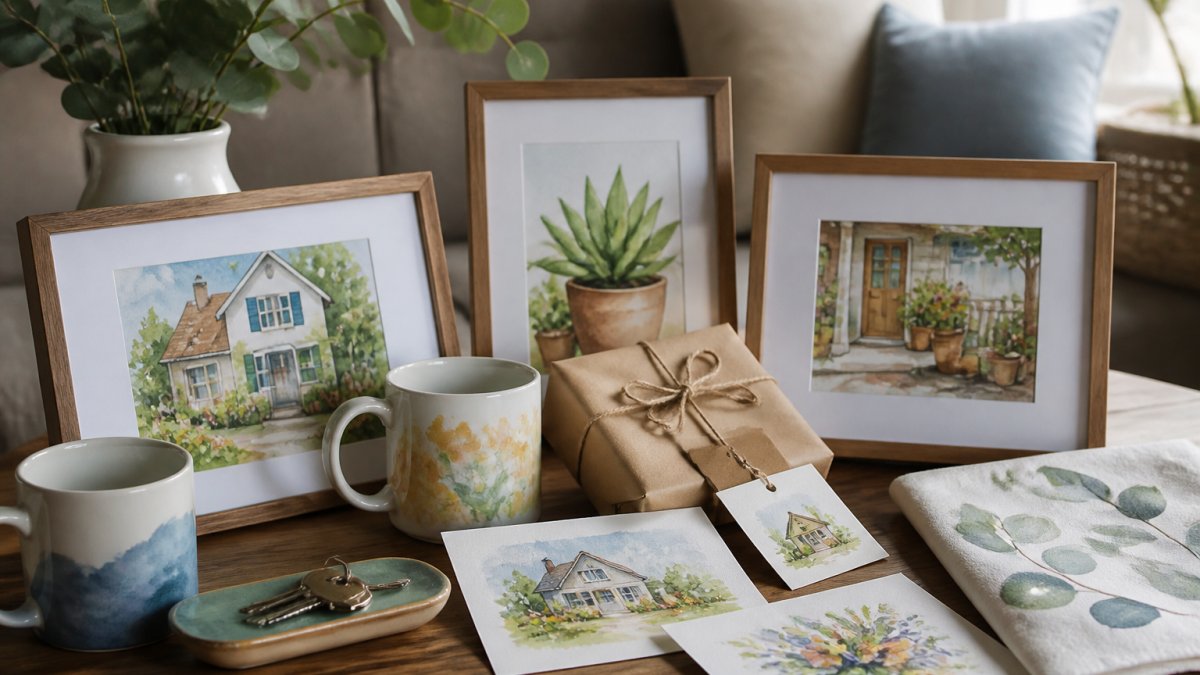
If you're drawn to the warmth and artistry of hand-painted botanical work, Art By Jd offers original watercolor paintings and high-quality reproductions created by artist Joylyn Denna. Our collection brings the beauty of botanical art into your home with formats including prints, canvas, and cards, each piece designed to inspire and delight. Explore our gallery and discover how original botanical art can transform your space.
Get Started Today
Comments